 StainList
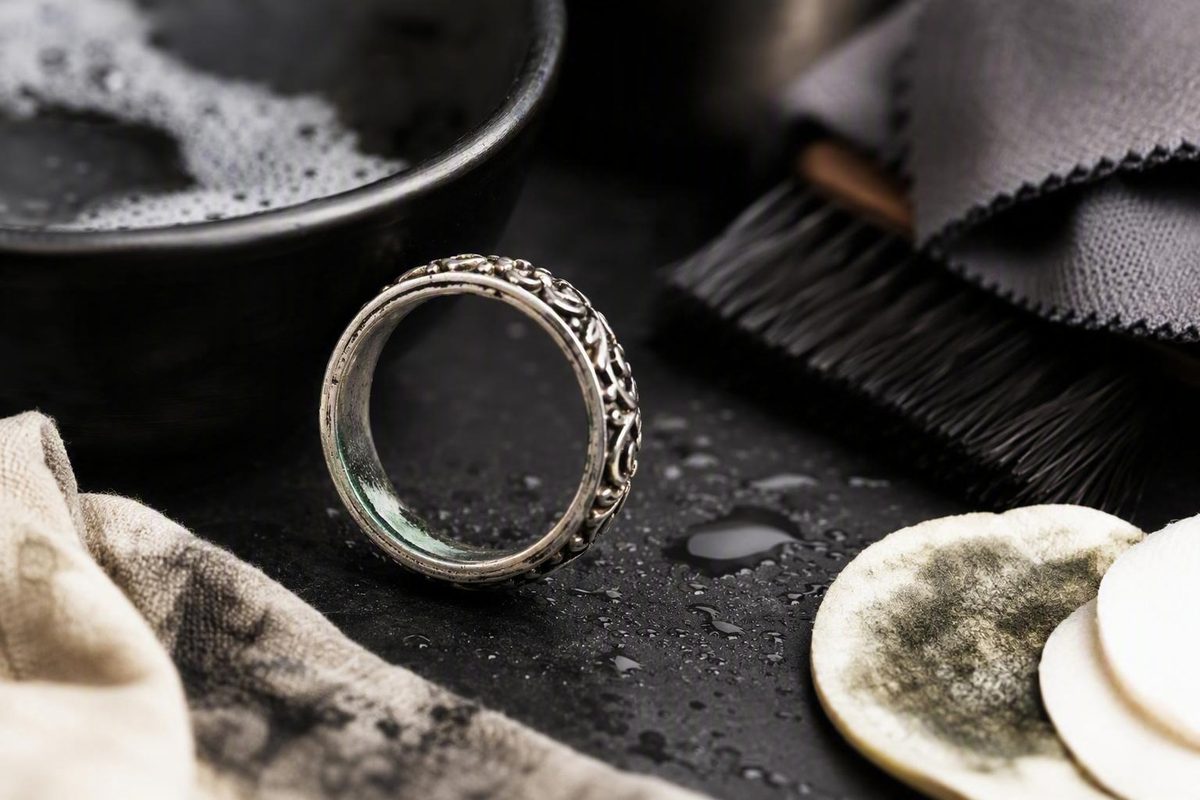
The short answer: genuine sterling silver can leave a green mark
Yes. Genuine sterling silver can sometimes leave a green mark on your finger. It does not happen to every wearer, with every ring, or every time a particular ring is worn.
The apparent contradiction between “sterling silver can turn your finger green” and “silver does not turn green” is mostly a matter of wording. The silver component is not necessarily producing the color. Instead, an alloying metal or exposed underlying metal—commonly copper—may react with moisture, sweat, salts, skin products, or other substances. Blue-green material formed at the surface can then transfer to the skin.
Retailer guidance describes ordinary color transfer as more likely to be smooth, painless, superficial, and removable with soap and water. An itchy, red, raised, painful, swollen, or blistering change calls for a more cautious response (Statement Collective’s comparison of green transfer and symptomatic skin changes).
Most importantly, green color alone is not a reliable test of whether a ring is genuine, fake, solid, plated, well made, or expensive. Genuine sterling silver can be associated with a green mark, but plated jewelry and other copper-containing metals can produce a similar result.
What to do now
- Remove the ring.
- Wash the finger gently with soap and water.
- Rinse and dry the skin completely.
- Clean and dry the ring according to its specific care instructions.
- Do not resume wearing it if the skin is itchy, painful, swollen, raised, blistered, or otherwise irritated.
The available evidence for this question is limited. The supporting material is dominated by commercial jewelry retailers rather than independent medical, hallmarking, or metallurgical authorities. The chemistry, care, and symptom guidance below should therefore be read as cautious troubleshooting—not as a laboratory analysis of the ring or a medical diagnosis.
What 925 sterling silver contains—and why copper matters
Sterling silver is an alloy containing at least 92.5% silver. The familiar 925 designation expresses that fineness as 925 parts silver per thousand parts of the alloy. The balance may be copper or another metal; the designation does not identify every ingredient in the finished item (overview of sterling-silver composition and fineness).
Alloying silver can improve properties relevant to jewelry, including strength and resistance to deformation. Copper is commonly used, but it is not accurate to say that every genuine sterling-silver item must contain exactly 7.5% copper. Sterling fineness concerns the proportion of silver, not a universal recipe for the remaining metal.
Where copper-containing material is present, retailer explanations propose that it may interact with moisture, salts, acids, sweat, air, or products on the skin. This corrosion- or oxidation-related process may create blue-green material at the metal’s surface. Continued contact can then move some of that material to the finger.
The complete sterling alloy can therefore be associated with a green mark even though the silver component is not considered the source of the green color. A similar result may occur when the surface of plated jewelry wears and exposes a copper-containing base metal.
The process should not be called rust. Retailer care guidance distinguishes sterling-silver tarnish and copper-related discoloration from rust, a term associated with iron corrosion. The exact material on a finger cannot, however, be identified from color alone. A mark may contain corrosion products mixed with soap, skin oils, cosmetics, or ordinary debris (Blake Brothers’ explanation of copper-related discoloration and sterling-silver tarnish).
Several terms are worth keeping separate:
- Sterling silver: An alloy containing at least 92.5% silver.
- 925: A fineness designation corresponding to 925 parts silver per thousand.
- Alloying metal: A metal combined with silver; copper is common but not universal.
- Color transfer: Surface residue moving from the ring to the skin.
- Tarnish: Discoloration that develops on the jewelry itself.
- Plating: A surface layer applied over another metal or alloy.
- Rust: Not a general term for every kind of metal corrosion.
These distinctions prevent two common mistakes: blaming the green color on the silver component itself and assuming that a 925 mark reveals the ring’s complete composition.
Why it happens only sometimes: moisture, products, fit, and friction
A ring may leave a green band one day and no visible mark the next because the conditions beneath it have changed. Instead of attributing every difference to vague “skin chemistry,” consider what contacted the ring, what became trapped beneath it, and how long the ring remained on the finger.
Exposure checklist
Possible contributors include:
- Perspiration
- Hot or humid weather
- Water left beneath the band after handwashing
- Soap residue
- Lotion or moisturizer
- Sunscreen
- Perfume
- Hairspray transferred from the hands
- Hand sanitizer
- Chlorinated or salty swimming water
- Dishwashing products
- Household cleaners
- Long periods of uninterrupted wear
Commercial jewelry guidance identifies moisture, sweat, humidity, lotions, soap, sanitizer, close fit, and product exposure as possible contributors rather than a single universal cause (Silverly’s summary of factors associated with green transfer).
Rings maintain close contact with the skin and can retain handwashing water, sweat, soap, or skincare products beneath the band. Movement may also contribute to surface residue being transferred. These are plausible contributing conditions, not proof of what caused a mark from a particular ring.
A seasonal or activity-related pattern is therefore possible. Marks may become more noticeable during humid weather, exercise, or other periods of heavier sweating. That does not establish sweat as the sole cause; several factors—including moisture, salts, product exposure, contact time, and movement—may change together.
Why one ring may stain while another does not
Two rings described as sterling silver may behave differently because of differences in:
- Alloy composition
- Presence or absence of plating
- Condition of a surface coating
- Surface finish
- Scratches or worn areas
- Ring width and fit
- Time spent on the finger
- Exposure to water, sweat, cosmetics, or cleaners
- Cleaning and drying routines
Fit deserves attention but is not an automatic diagnosis. A close-fitting ring may retain water and soap against the skin, yet tightness alone does not prove why a green mark appeared. A looser ring can also stain if transferable material is present on its surface.
A simple troubleshooting sequence
Change one variable at a time:
- Note when the mark appears. Record whether it follows exercise, swimming, cleaning, handwashing, showering, or the use of skincare products.
- Remove one exposure for several days. For example, take the ring off before exercise while leaving the rest of your routine unchanged.
- Dry beneath the band. After handwashing, remove the ring when practical and dry both the finger and ring.
- Let products dry first. Allow lotion, sunscreen, perfume, hairspray, and sanitizer to dry before replacing the ring.
- Observe recurrence. If staining decreases, the removed exposure may have contributed, although it may not have been the only factor.
- Inspect the ring. Look for roughness, scratches, dark or green residue, flaking, damaged plating, or debris inside the band.
This process cannot identify the alloy chemically. It can, however, help show whether moisture, products, or prolonged contact make the problem more likely.
What a green finger does—and does not—say about your ring
A green mark does not by itself mean that a sterling-silver ring is fake. Genuine sterling can contain copper, and copper-containing material may produce transferable green residue under some conditions.
The reverse is also true: a green mark does not prove that a ring is genuine sterling silver. Plated jewelry, exposed base metal, brass, copper, and other copper-containing materials may produce a similar result. Because several materials can leave green residue, the mark is not an authenticity test.
A 925 mark indicates a claim of sterling fineness. Standing alone, it does not tell you:
- Which metals make up the non-silver portion
- Whether the visible mark itself is genuine
- Whether a particular item has been independently assayed
- Whether the construction includes plating or another surface treatment
- How the finish has worn over time
- How the ring will behave during wear
These limits should not be interpreted as proof that a marked ring is misrepresented. They simply mean that neither a stamp nor a green finger can replace examination or composition testing.
Staining also does not justify a simple quality verdict. It neither proves poor workmanship nor rules out an issue involving composition, plating, wear, or surface condition. Retailer guidance similarly notes that genuine sterling may leave green residue and that staining alone should not be treated as proof of a fake (Luke Zion Jewelry’s discussion of sterling alloys, plating, and green residue).
Plating is one possible variable. Some sterling-silver jewelry has a barrier finish; other pieces are unplated. If plating becomes scratched, thin, or worn, more of the underlying alloy may contact the skin. In jewelry plated over a base metal, wear may expose that base metal instead. This is something to investigate, not a cause that can be confirmed from the stain alone.
Consider professional assessment when:
- The hallmark is missing, unclear, or inconsistent with the description.
- The seller’s description conflicts with the physical item.
- Staining began after a visible surface coating wore away.
- The ring has scratches, flaking, rough areas, or an uneven finish.
- Gentle cleaning does not remove residue from the ring.
- The item is valuable, antique, sentimental, or set with delicate stones.
- You want composition or fineness assessed rather than inferred from appearance.
Ask the jeweler what testing method is available and whether metal analysis is performed in-house or referred elsewhere.
Green residue, dark tarnish, or a skin reaction: how to tell them apart
A green finger, a darkened ring, and irritated skin are different observations. More than one may occur at the same time.
The following comparison is a non-diagnostic troubleshooting guide. Color and appearance alone cannot rule out irritation, allergy, or another skin condition.
| Observation | Appearance and location | Response and next step |
|---|---|---|
| Green color transfer | Green or blue-green color on the skin beneath or beside the ring. It is more consistent with surface residue when the skin remains smooth and comfortable. | Remove the ring and wash gently with soap and water. If the color comes away and no symptoms remain, clean and dry the ring and investigate moisture, products, fit, and surface condition. |
| Black or gray tarnish | Darkening mainly on the jewelry, sometimes in recesses or engraved areas. | Follow the maker’s care instructions. A cleaning method intended for tarnish may be unnecessary or unsuitable if the real issue is product residue, plating, or a delicate finish. |
| Symptomatic skin change | Itching, redness, pain, swelling, raised areas, blisters, cracking, or symptoms that persist after the ring is removed and the area is washed. | Stop wearing the ring. Because appearance alone cannot identify the cause, persistent, spreading, or worsening symptoms warrant professional medical advice. |
The retailer sources associate dark silver tarnish with exposure to sulfur compounds and formation of silver sulfide, while they attribute green skin transfer primarily to copper-containing material. These are different processes and may require different care responses.
A ring can be tarnished without leaving a green mark. It can also transfer green residue without appearing extensively darkened. Do not assume that every discoloration requires tarnish remover or polishing.
Signs that the issue may be more than a stain
As a precaution, stop wearing the ring if the area is:
- Itchy or burning
- Painful
- Red or inflamed
- Swollen
- Raised or bumpy
- Blistered
- Cracked or weeping
- Spreading beyond the contact area
- Still symptomatic after washing
These signs cannot establish nickel allergy or any other diagnosis. Commercial jewelry guidance recommends removing the item rather than continuing to wear it when redness, itching, or a rash accompanies the discoloration (Blake Brothers’ distinction between surface residue and symptomatic skin changes).
Removing visible color is not the same as treating irritation.
How to remove the green mark and clean the ring gently
Treat the skin and the jewelry as two different surfaces.
Removing the mark from your finger
- Take off the ring.
- Wash the area gently with ordinary soap and water.
- Rinse away the soap.
- Pat the skin dry, including the crease where the band sat.
- Leave the ring off if discomfort or visible irritation remains.
Avoid aggressive scrubbing. Do not apply silver polish, tarnish remover, chemical jewelry dip, or another metal-cleaning product to the skin.
There is no supported fixed time in which every mark must disappear. A superficial residue may wash away readily, but a persistent mark—particularly one accompanied by itching, redness, swelling, or pain—should not be treated repeatedly as a simple stain.
Cleaning a plain, unplated sterling-silver ring
If the maker says that a plain, unplated item can be washed:
- Add a small amount of mild soap to warm water.
- Dampen a soft cloth with the solution.
- Wipe the ring gently, including the inside of the band.
- Rinse away soap residue if the instructions permit rinsing.
- Dry the ring thoroughly with a clean, soft cloth.
- Allow recessed areas to dry before wearing or storing it.
Mild soap, warm water, a soft cloth, and thorough drying are among the conservative care measures described by commercial sterling-silver guidance (Blake Brothers’ care recommendations).
Check the item’s instructions before immersing or polishing jewelry. Home washing may be unsuitable for:
- Plated or coated pieces
- Pearls
- Porous, soft, or treated gemstones
- Jewelry assembled with adhesive
- Antique or fragile construction
- Hollow pieces that may retain water
- Intentional oxidation or blackened details
- Delicate brushed, matte, or textured finishes
A soft silver-polishing cloth may be appropriate when the maker specifically permits it. Use light pressure and stop if the finish changes. Plated or intentionally darkened items may require different care.
Methods not to use universally
Do not assume that the following are safe for every sterling-silver item:
- Baking-soda paste
- Vinegar, lemon juice, or other acids
- Abrasive powders
- Toothpaste
- Hard-bristled brushes
- Chemical silver dips
- Unspecified metal polish
- Prolonged soaking
Some methods may be used for particular plain, unplated pieces, but the available retailer guidance does not establish them as universally safe. Item construction and manufacturer instructions should determine the method.
After cleaning, inspect the inside of the band. If you find rough areas, flaking, worn plating, trapped debris, loose stones, or discoloration you cannot remove safely, consult a jeweler instead of escalating to a stronger home treatment.
How to prevent the green mark from coming back
Prevention begins with reducing exposure rather than immediately covering the ring with a clear product. Start with reversible steps that are unlikely to alter the jewelry.
Keep water, sweat, and chemicals from being trapped
Remove the ring before:
- Swimming
- Showering or bathing
- Strenuous exercise
- Washing dishes
- Using household cleaners
- Handling chlorine or other harsh chemicals
- Activities that leave the hands wet or heavily soiled
When practical, take the ring off before handwashing. Dry both the finger and the ring before putting it back on. If a close fit makes drying difficult or the ring is uncomfortable, ask a jeweler to check the fit.
Let lotion, sunscreen, perfume, hairspray, and hand sanitizer dry before replacing the ring. This cannot guarantee that staining will stop, but it may reduce the amount of product held against the metal.
Clean after wear and store dry
Wipe the inside and outside of the band with a soft cloth after wear, particularly following exercise, humid weather, or prolonged contact. Store the ring clean and dry.
Some retailers recommend dry, airtight storage to reduce environmental exposure, although storage cannot guarantee that a ring will never stain skin (The Opal’s sterling-silver cleaning and storage guidance).
Make sure both the jewelry and its pouch or container are dry before storage. Follow any special storage directions supplied for gemstones, plated finishes, or antique pieces.
Consider plating, but understand its limits
Professional barrier plating may reduce direct contact between the skin and the underlying alloy. Rhodium is one coating discussed for sterling-silver jewelry.
Plating is a surface layer, not a permanent change to the ring.
Retailer advice presents rhodium plating as a possible barrier, but the available evidence does not support treating it as a complete or permanent guarantee (Silverly’s discussion of rhodium plating as a preventive option).
Be cautious with clear nail polish and consumer sealants
Clear nail polish is often suggested as a do-it-yourself barrier, but it is not a universal jewelry-care solution. Retailer guidance notes that it may chip, yellow, trap moisture, or require repeated application. An unspecified consumer sealant may present similar uncertainties.
A coating may also alter the ring’s appearance or affect later care.
Use an escalation ladder
If the mark keeps returning:
- Adjust exposure. Keep the ring away from water, sweat, cosmetics, sanitizer, and cleaners.
- Improve drying and routine care. Remove soap residue and dry the ring after wear.
- Check the fit. Address a band that is uncomfortable or routinely retains moisture.
- Inspect the finish. Look for roughness, scratches, flaking, or visibly worn plating.
- Consult a jeweler. Ask about professional cleaning, finish inspection, available composition testing, or replating.
- Stop wearing it if symptoms occur. Do not repeatedly cover the ring with new products when the skin remains itchy, painful, swollen, raised, blistered, or otherwise irritated.
A green band beneath a sterling-silver ring is best treated as a troubleshooting clue—not a verdict about authenticity, purity, quality, or safety. Wash and dry the skin, clean the ring according to its construction, and reduce contact with trapped moisture, sweat, cosmetics, and chemicals. If staining continues, have the finish or composition assessed. If skin symptoms persist or worsen, stop wearing the ring and seek appropriate medical advice.
Frequently asked questions
Can real 925 sterling silver turn your finger green?
Yes. Genuine 925 sterling silver can sometimes be associated with a green mark, particularly when copper-containing material interacts with sweat, moisture, salts, skincare products, or other substances. The color is generally attributed to an alloying or underlying metal rather than to the silver component.
It does not happen with every ring or wearer. A smooth, comfortable mark that washes away is more consistent with surface transfer; symptomatic skin changes require a more cautious response.
Does a green finger mean a sterling-silver ring is fake?
No. Genuine sterling silver can leave green residue, while plated jewelry and other copper-containing materials can produce the same visible effect. The mark therefore proves neither authenticity nor fakery.
A 925 mark expresses a fineness claim, not a complete analysis of the item. If the description is doubtful or the finish appears damaged, ask a jeweler what inspection or metal-testing options are available.
Why does only one of my sterling-silver rings leave a green mark?
The rings may differ in alloy composition, plating, finish, surface condition, width, fit, and contact time. They may also receive different exposure to sweat, water, soap, sanitizer, lotions, or household products.
Compare when the mark appears and remove one exposure at a time. If one ring continues to stain after gentle cleaning and careful drying, have its surface and plating inspected.
Is green skin from a ring the same as an allergic reaction?
Not necessarily. Green color on otherwise smooth, comfortable skin that washes away is more consistent with surface transfer. Itching, redness, pain, swelling, raised skin, cracking, or blisters suggest that the issue should not be treated as a cosmetic stain alone.
Appearance cannot diagnose an allergy or identify its cause. Remove the ring and seek medical advice if symptoms persist, spread, or worsen.
Will rhodium plating or clear nail polish stop a ring from staining?
Rhodium plating may reduce contact with the underlying alloy, but it should not be treated as a permanent guarantee. A jeweler can assess whether plating or replating is suitable for the ring.
Clear nail polish may form a temporary barrier, but it can chip, yellow, wear unevenly, or trap moisture. Exposure control, careful drying, correct fit, and professional inspection are better first steps than an improvised coating.