 StainList
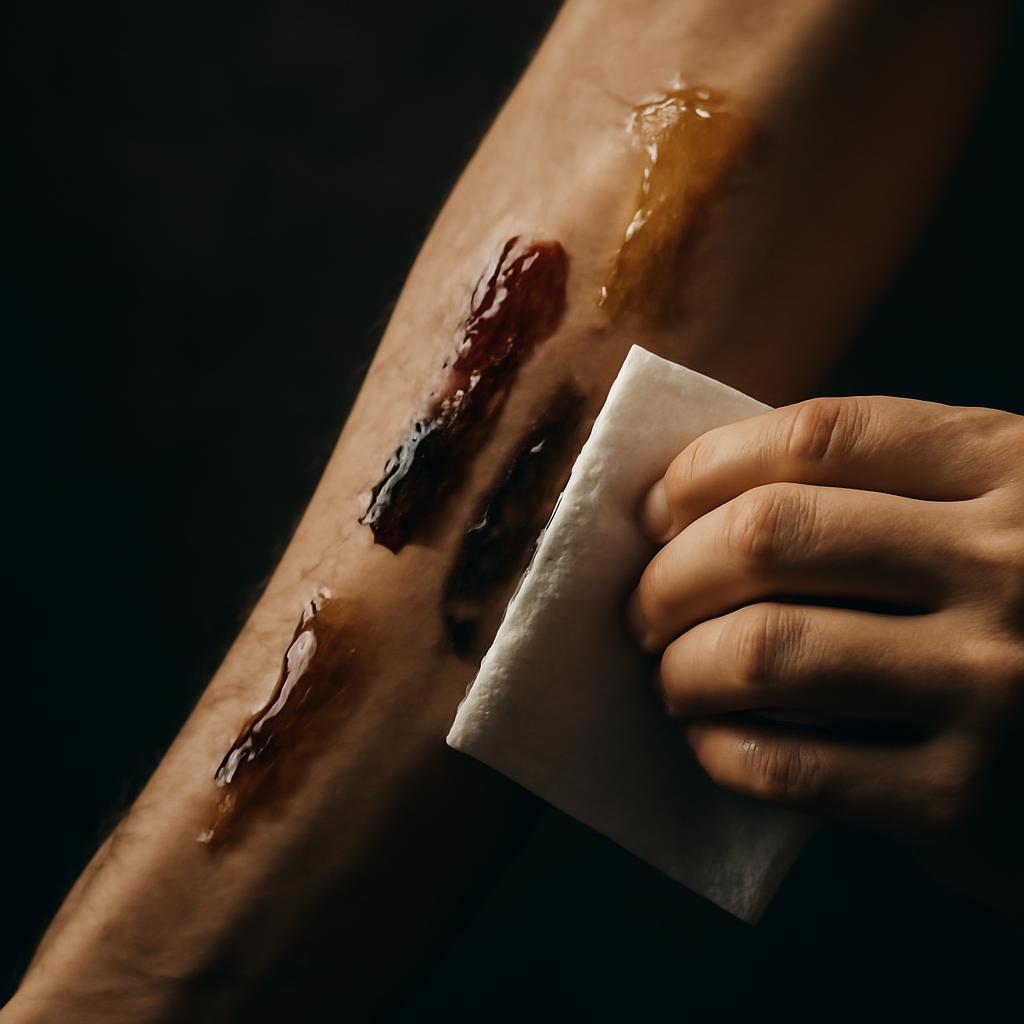
If you’re trying to figure out how to get wax off skin after at-home hair removal, the safest rule is simple: match the remover to the wax type, then use the least aggressive motion possible. Across the available consumer-health and waxing guides, the real hazard is usually not the leftover wax itself. It’s damaging freshly waxed skin by scraping, rubbing, or forcing residue off too fast with nails or tools. Oil is the best-supported first choice for most soft, hard, strip, and other resin-based waxes, while lukewarm water is the better first move for sugar wax because it is water-soluble. Healthline, Parissa, and WAXBARE all point in that direction.
Because the title promise here is ranking, here is the practical order to start with:
| Wax or residue situation | Best first try | Second try | Limited-use backup |
|---|---|---|---|
| Soft wax, hard wax, strip wax, or other resin-based residue | Oil on a cotton pad | Warm compress, then oil | Petroleum jelly for broad tacky film; ice only for a tiny soft spot |
| Sugar wax | Lukewarm water | Repeat lukewarm water and rinse | Avoid oil first; it can slow cleanup for sugar wax |
| Wide sticky or smeary film | Oil | Petroleum jelly | Warm compress before wiping |
| Small soft blob or edge | Warm compress or oil | Ice for 30 seconds | Only remove what loosens easily |
That ranking leads to the same basic troubleshooting sequence:
- Identify the wax type if you can.
- Inspect the skin first. If it looks raw, shiny, wet, lifted, blistered, very swollen, or you notice hives or other allergy-like signs, stop trying to remove residue and switch to skin-first care. WAXBARE and Healthline both give that caution.
- Use oil first for resin waxes and lukewarm water first for sugar wax. Parissa, and WAXBARE agree on that split.
- If the first method partly works but leaves a tacky film, move to petroleum jelly or a warm compress rather than scrubbing harder. Healthline, and ItalWax support those backups.
- Reserve ice for tiny soft spots and only remove what flakes off on its own. Healthline and Starpil are explicit about not scraping if it does not loosen.
Why Wax Residue Sticks and Quick Method Picker
Wax residue usually stays behind because of a combination of chemistry and technique. Traditional soft and hard depilatory waxes contain resins or rosin derivatives that can cling to the skin’s natural oils. WAXBARE explains that as a lipid-resin bond, and both WAXBARE and Parissa say residue becomes more likely when wax is overapplied, used at the wrong temperature or consistency, removed too slowly, or repeatedly worked over the same area. WAXBARE, and ItalWax all describe those causes.
The most repeated at-home mistakes are:
- applying too much wax
- using wax that is too hot, too cool, too thin, or too brittle
- pulling too slowly instead of quickly and close to the skin
- waxing in the wrong direction
- using the wrong wax type for the area
- going over the same spot too many times
- trying to wax hair that is too short to grab well
On hair length, Enso Wax says hair under 1/4 inch can make wax stick to skin instead of hair, while wikiHow suggests roughly 1/4 to 1/2 inch as an easier home-waxing length.
If you want the shortest possible method picker, use this:
- Soft wax, hard wax, strip wax, or other resin-based wax: start with oil. Parissa and ItalWax both position oil as the main home remover.
- Sugar wax: start with lukewarm water, not oil. Parissa and WAXBARE both say sugar wax is water-soluble.
- Broad tacky film: try oil first, then petroleum jelly if you need a longer dwell. Healthline and ItalWax support that sequence.
- Tiny soft blob or stubborn edge: a warm compress may soften it, or ice may harden it so only the loose bits flake away. Starpil, and ItalWax all include those methods.
One more caution matters before any cleanup attempt: some professional waxing guidance says not to keep experimenting at home if the skin is already vulnerable because of recent Accutane, retinoids, chemical peels, laser treatments, or a recent tattoo. WAXBARE flags those high-risk situations, and Parissa advises gentleness and avoiding harsh rubbing on recently tattooed skin.
Primary Method: Oil on Cotton Pad for Resin-Based Wax
For standard hair-removal wax residue, oil is the best-supported household method. The reason is consistent across the sources: resin-based wax is lipophilic or lipid-soluble, so it breaks down in contact with oil better than with water. ItalWax, Black Coral, and WAXBARE all describe that basic chemistry.
Household oils named repeatedly include mineral oil, baby oil, olive oil, and massage oil. Healthline and wikiHow both list those as workable options.
Step-by-step
-
Put oil on a cotton pad, cotton ball, or soft cloth., and wikiHow all use that setup.
-
Press and hold it on the wax for about 30 to 120 seconds. A shorter hold is often enough for light stickiness; a longer hold can help with thicker spots. wikiHow suggests about 30 seconds. Healthline and Starpil suggest around 1 to 2 minutes. Black Coral says stubborn spots may benefit from letting the oil sit up to 60 seconds before wiping.
-
Wipe gently instead of scrubbing. The repeated instructions are circular motions or a light press-and-glide wipe. The point is to lift softened residue, not abrade freshly waxed skin. ItalWax and WAXBARE are especially clear on that.
-
Repeat with a fresh pad if needed. WAXBARE specifically recommends using fresh pads so you do not smear dissolved wax back over the skin.
-
Wash off the oily film with mild soap and water if your skin tolerates it. wikiHow and Healthline both include a wash step after removal.
This is the method to try first for most non-sugar wax residue because it is both effective and comparatively gentle. Product-led sources also describe oil-based cleanup as appropriate even on sensitive areas when you use light pressure and avoid harsh rubbing.
After the residue is gone, a plain moisturizer is reasonable. If you are oily or acne-prone, Parissa suggests lighter oils such as grapeseed or hemp as a preference, and Black Coral prefers lighter non-comedogenic post-wax oils. That is better read as a product preference signal, not proof that household oils cannot work.
Stubborn Spots: Petroleum Jelly Layer and Wipe
Petroleum jelly is a useful backup when the residue is spread over a wider area, feels soft and smeary, or keeps dragging instead of lifting cleanly with oil. Several sources include the same basic method: apply a thick layer, let it sit, then wipe gently rather than rubbing. Healthline and ItalWax both present it that way.
How to do it
- Apply a thick layer of petroleum jelly over the residue.
- Cover it with a cotton pad, tissue, or soft cloth if that helps keep it in place.
- Let it sit for about 5 minutes. Healthline and Starpil give that timing.
- Wipe away gently with a damp cloth, then use lotion if the skin feels dry.
This method is slower than oil, but it can be easier to manage on a larger tacky patch because you are not chasing residue around with a small pad.
If you are acne-prone, the evidence here does not prove petroleum jelly will break you out. What the sources do show is that some waxing guides lean acne-prone users toward lighter oils instead of heavier products. So petroleum jelly makes more sense as a backup than a default on breakout-prone facial or chest areas.
Soften First: Warm Water Compress Technique
A warm compress is the simplest low-product backup. It usually does not outperform oil for resin-based wax, but it can soften residue enough to make the next wipe easier. Healthline, and Enso Wax all describe versions of this technique.
For non-sugar wax residue
- Soak a clean cloth in warm water.
- Wring it out so it is damp, not dripping.
- Press it onto the wax for about 60 seconds to 2 minutes. Healthline gives 60 seconds. Starpil gives 1 to 2 minutes.
- Wipe gently.
- If the area is still sticky, follow with oil instead of rubbing harder. Enso Wax describes softening first, then moving to oil-based product or petroleum jelly.
The temperature wording differs across sources: some say “hot,” others say “warm.” For freshly waxed skin, the safest reading is warm, not hot. That keeps the softening idea while reducing the chance of making irritated skin angrier. Parissa uses warm water for sugar wax cleanup, and Enso warns that overheating contributes to sticking and skin problems in the first place. Enso Wax Testing the cloth on your wrist first is a sensible way to stay in that range.
Do not use a warm compress on skin that is already open, lifting, blistered, or obviously damaged. WAXBARE specifically says to stop if the skin is lifting or blistered.
For sugar wax residue
For sugar wax, warm or lukewarm water is not just a softener. It is often the main remover. Because sugar wax is water-soluble, the usual advice is to wet or soak the area with lukewarm water for 30 to 60 seconds, massage lightly, rinse, and pat dry. Parissa and WAXBARE agree on that.
For Small Patches: Ice to Harden and Flake
Ice is the narrowest method on this list, but it can help with a small, soft spot of wax that is too gooey to wipe cleanly. Healthline, and ItalWax all describe essentially the same use.
How to do it safely
- Wrap the ice in a clean cloth if direct cold feels too intense.
- Hold it on the wax for about 30 seconds. Healthline and Starpil use that timing.
- Gently lift or flake away only the bits that come off easily.
- If the wax stays attached, switch methods instead of peeling harder.
This is not a large-area method, and it is not a license to scrape. Healthline and Starpil both warn that if the wax does not naturally flake, trying to pry it off can damage the skin.
Sugar Wax Specific: Water Over Oil
Sugar wax deserves its own section because it behaves differently from resin-based wax. The repeated point across the waxing sources is that sugar wax is water-soluble, so oil is not the best first move. Parissa and WAXBARE are consistent on that point.
If you used sugar wax, do this first:
- Wet the area with lukewarm water.
- Let it sit or massage lightly for 30 to 60 seconds.
- Rinse away the dissolved residue.
- Pat dry, then apply a gentle lotion.
Why not oil first? Because WAXBARE notes that oil and water do not mix well for sugar wax cleanup, and oil-first can slow the process.
If the area does not fully rinse clean on the first pass, repeat the lukewarm-water step. Sugar wax is the clear exception to the general oil-first rule.
Red Flags, Mistakes to Avoid, and Aftercare Basics
The most important safety point in the evidence is knowing when to stop. If the skin starts lifting with the wax, looks shiny or wet, becomes raw, develops blisters, swells noticeably, or shows allergy-like signs such as hives, the safer choice is to stop trying to remove residue and treat the skin gently first. WAXBARE and Healthline both support that threshold.
A practical escalation rule
Because the source set here focuses more on when to stop than on full medical triage, the clearest conservative escalation path is:
- Stop and soothe at home if the skin is intact and the main issue is mild leftover stickiness or ordinary short-term irritation. A cool compress and gentle, fragrance-free moisturizer or serum are the supported next steps.
- Move out of DIY mode and get prompt professional or clinical advice if you see skin lifting, blistering, raw or shiny-wet patches, noticeable swelling, or hives/allergy-like signs. Those are the signs the waxing sources treat as stop-now situations, not “keep trying another remover” situations.
- Do not keep self-treating if you are already in a higher-risk category because of recent Accutane, retinoids, chemical peels, laser treatments, or recently tattooed skin.
Mistakes to avoid
- Do not scrape with nails, tweezers, metal tools, or anything sharp. WAXBARE is explicit about avoiding metal tools for hard-wax cleanup.
- Do not rub aggressively. Black Coral and Enso Wax both warn that scrubbing or picking increases irritation.
- Do not keep re-waxing a compromised area. Parissa warns against piling on more wax, and Enso says reapplying wax can increase irritation.
- Do not use alcohol on irritated skin. Some guides list alcohol as a remover, but, and Black Coral all give reason to treat it as a lower-confidence backup, not a first-line choice.
Basic aftercare for the next 24 hours
Once the residue is off, keep aftercare boring:
- use a fragrance-free moisturizer, lotion, or soothing serum if your skin tolerates it
- use a cool compress if the area feels irritated
- avoid hot baths, heavy exercise, and tight clothing for about 24 hours
- avoid perfumes and other harsh post-wax irritants if the skin is still sensitive
- be careful with sun exposure; Enso recommends sun protection for 2 to 3 days after waxing
The practical bottom line is straightforward: for most resin waxes, start with oil on a pad and let it sit briefly. For sugar wax, use lukewarm water first. Petroleum jelly, warm compresses, and ice are situational backups, not invitations to scrub harder. Gentle pressure beats force.
Can I use rubbing alcohol to get wax off skin?
You can, but it is not the best default. Some consumer guides list rubbing alcohol as one option for intact skin, usually on a cotton pad followed by moisturizer. Healthline and Starpil both include it.
The stronger overall takeaway from the waxing-focused sources is that alcohol can irritate freshly waxed skin and should not be used on skin that is already red, raw, lifted, or sensitized. Oil, petroleum jelly, or the correct water method for sugar wax are better first tries.
Is olive or baby oil as good as post-wax oil?
They can work well, but the evidence here does not show they are identical. Multiple sources explicitly name olive oil and baby oil as workable household options for dissolving residue. wikiHow and ItalWax both say so.
At the same time, product-led waxing sources prefer professional post-wax oils as lighter or easier to use after waxing. The safest honest answer is: household oils are often good enough for home cleanup, but this source set does not prove they are equivalent to professional post-wax oils in every respect.
What causes most wax residue during at-home waxing?
Across the sources, residue is usually a technique problem rather than bad luck. The recurring causes are:
- hair that is too short to grab well
- wax that is too hot, too cool, too thin, or too thick
- applying too much wax
- pulling too slowly or in the wrong direction
- using the wrong wax type
- overworking the same area until the skin swells or the wax smears
Those causes are repeated across, and Enso Wax.
How do I prevent wax sticking next time?
The prevention advice is fairly consistent:
- let hair grow to around 1/4 inch before waxing
- aim for the correct wax temperature so it spreads evenly without running or cracking
- apply a thin layer rather than piling on product
- apply wax with hair growth and remove against it
- pull quickly and close to the skin, not slowly upward
- avoid too many repeat passes on the same spot
- for non-sugar waxes, follow that product’s prep instructions carefully, since Parissa notes that skin that is too damp or otherwise improperly prepped can worsen residue for some wax types
Sources
- Third Party · How to Get Wax Off Skin: Five Safe and Easy Home Methods.
- Third Party · How to Remove Wax Leftovers from Skin.
- Third Party · How To Get Wax Off Skin Safely: Expert Tips – WAXBARE.
- Third Party · Waxing Gone Wrong - Tips for Waxing Accidents – Starpil Wax.
- Third Party · How to Get Wax Off Skin: 11 Steps (with Pictures) - wikiHow.
- Third Party · How to Remove Wax from Skin: Simple, Safe & Effective Methods | ItalWax Blog.
- Third Party · What Gets Wax Off Skin: A Professional’s Guide to Safe….
- Third Party · How To Remove Wax From Skin – Enso Wax.