 StainList
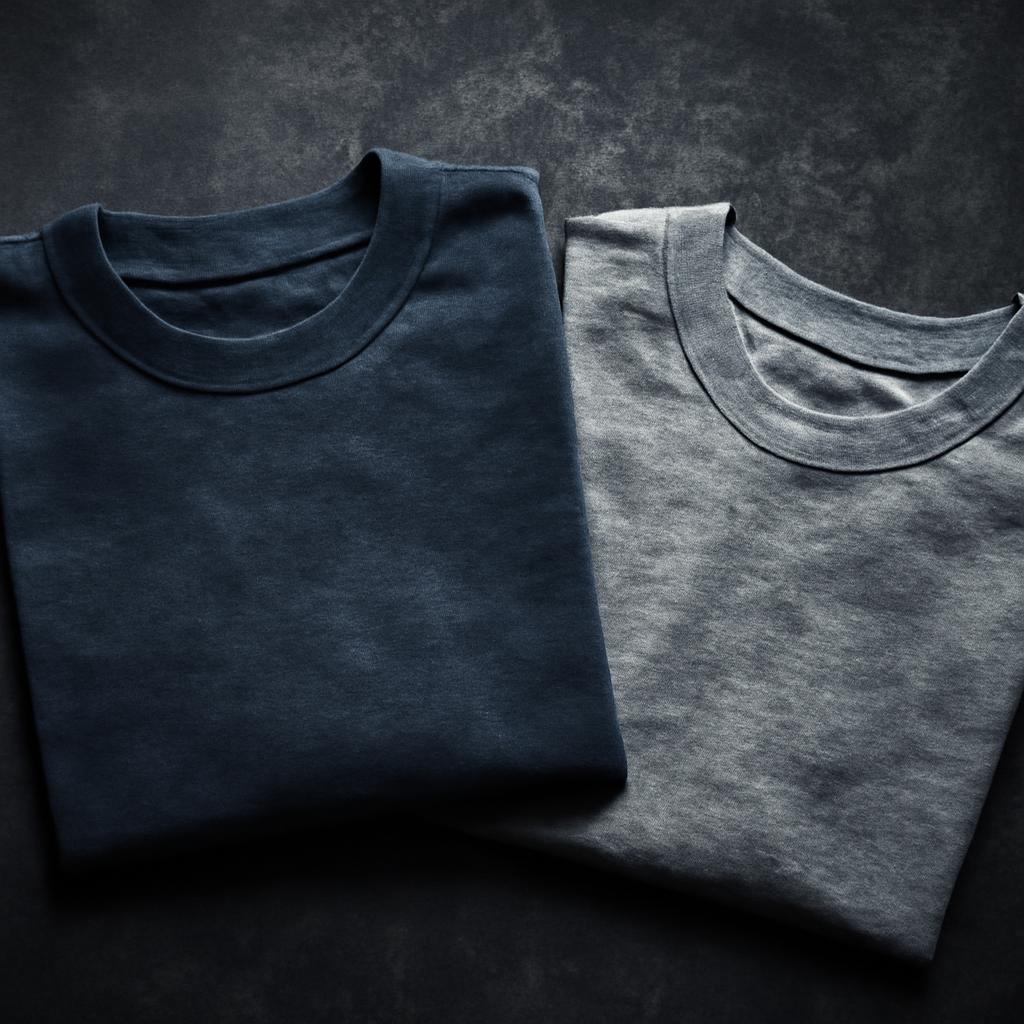
If you have ever picked up two cotton T-shirts that looked similar on the shelf but felt noticeably different in your hands, the difference may have started long before the fabric was dyed, cut, or sewn. One of the simplest explanations is fiber preparation. Combed cotton is ordinary cotton that has been carded and then put through an additional combing stage before spinning (Fils Lifestyle).
That extra step matters because it removes more of the short fibers, tiny knots, and leftover impurities that can make yarn feel fuzzier or less even. The fibers that remain are longer, straighter, and better aligned, which is why guides from mills, sourcing platforms, and bedding brands repeatedly describe combed cotton yarn as smoother, cleaner, and typically stronger than carded-only cotton (Vision Linens).
It is still cotton. The difference is that the fiber has been refined more carefully before it becomes yarn. In the market, that extra refining is commonly used for softer-feeling T-shirts, bedding, towels, babywear, and other products where surface feel matters (ApparelBus).
So when shoppers ask what is combed cotton, the short answer is straightforward: it is cotton that has gone through one more cleanup-and-alignment step than standard carded cotton. The longer answer is more useful, because that extra step affects how the yarn looks, how the fabric feels, where it is used, and why it usually costs more.
What Is Combed Cotton?
Combed cotton is cotton fiber that has already been carded and then passed through an additional combing process before spinning. In practical terms, it starts as the same basic natural fiber as other cotton fabrics, but it receives more refining before it becomes yarn (Fils Lifestyle).
The defining feature is the combing step itself. After carding has opened and roughly aligned the cotton, combing uses finer tools or machinery to pull through the fiber bundle and remove more of the short fibers, neps, and small remaining impurities. Textile explainers describe this as leaving behind a cleaner bundle of longer, straighter, more parallel fibers (Vision Linens).
That difference in preparation changes the yarn that can be spun afterward. When more short, stray ends are taken out before spinning, the yarn surface tends to come out smoother and more uniform, with fewer loose ends sticking outward. That is why combed cotton is widely described as softer and more refined in hand-feel than carded-only cotton (Fabric Supplier).
A fabric can be both cotton and combed cotton because combed cotton is simply a more refined form of cotton yarn preparation.
A useful shorthand is this: all combed cotton is cotton, but not all cotton has been combed. That distinction clears up a lot of label confusion. Many products say only “cotton,” which tells you the fiber content but not whether the yarn came from carded cotton alone or from cotton that was carded and then combed.
The Cotton Production Process: Carding and Beyond
To understand why combing matters, it helps to place it inside the broader path from raw cotton to finished fabric. Process guides aimed at textile buyers and cotton-product sellers generally follow the same sequence: harvesting, ginning, carding, optional combing, spinning, weaving or knitting, and finishing.
Harvesting is simply the collection of cotton from the plant. After that comes ginning, an early cleanup stage that removes seeds and larger debris from the harvested cotton. By the time cotton reaches the next step, it is much cleaner than it was in the field, but it is still far from ready to become fine, consistent yarn.
The next major stage is carding. This is where the cotton fibers are opened up, disentangled, and brushed into better alignment. Vision Linens describes carding as a mechanical process that separates fibers, improves their alignment, and removes some short fibers and impurities. Fabriclore adds that the output of carding is a sliver: a loose, rope-like strand of somewhat aligned fibers that can move on to later processing.
Carding does a lot of important work, but it does not completely perfect the fiber. Carded sliver still contains a mix of longer and shorter fibers, and small neps can remain. That is why carded cotton can be spun into usable yarn, yet still produce a more irregular or hairier surface than a more refined yarn would.
That brings us to combing, the optional extra stage. In combing, the carded fibers are processed again through finer combs, teeth, or brush-like mechanisms that strip out more short fibers and help arrange the remaining fibers in a flatter, more parallel bundle. Different explainers describe the mechanics slightly differently, but they agree on the result: a cleaner, more uniform group of longer fibers than carding alone leaves behind (Late Mornings).
Once the fiber preparation is complete, the cotton is spun into yarn. That yarn is then woven or knitted into fabric, depending on the product being made. Finally, the fabric goes through finishing processes that may affect appearance, feel, and performance.
This bigger picture is useful because it prevents a common misunderstanding: combing is not the whole manufacturing method. It is one targeted refinement step inside the larger cotton production chain. What makes combed cotton distinctive is not that it skips normal cotton processing, but that it goes beyond standard carding before spinning begins.
Carding vs. Combing: How the Processes Differ
The simplest comparison is also the most important one: carded cotton stops after carding, while combed cotton continues to an extra combing stage (The Apparel Factory).
With carded cotton, the fiber has been cleaned and aligned enough to make serviceable yarn, but it still retains more short fibers and surface irregularity. Fabriclore describes carded cotton as containing both long and short fibers, along with small neps, which tends to create a less uniform and hairier yarn surface.
That does not make carded cotton bad. It simply makes it less refined. Because it avoids the extra combing stage, it is generally cheaper to produce and is often used where cost matters more than an especially smooth surface. Seller and sourcing guides commonly position carded cotton for basic T-shirts, everyday loungewear, lower-tier bedding, and other cost-sensitive products.
With combed cotton, the mill takes the already-carded fibers and removes more of the shortest and least regular ones. That extra pass produces a fiber bundle with better alignment and fewer loose ends before spinning. Multiple textile guides summarize the result in similar language: smoother, cleaner, more uniform, and less hairy yarn.
In appearance and touch, that often means the difference between a more casual, slightly fuzzy fabric and one that feels cleaner and more finished. In manufacturing terms, a smoother yarn surface is also why procurement guides often favor combed cotton for better-looking prints, dye presentation, and premium retail garments (The Apparel Factory).
The most balanced way to think about the comparison is not “good cotton versus bad cotton,” but standard processing versus extra refining. Carded cotton can be perfectly appropriate for inexpensive basics. Combed cotton becomes attractive when the manufacturer wants a smoother hand, a cleaner face, and a more premium impression.
Key Properties of Combed Cotton
The first property most people notice is smoothness. Because combing removes more short fibers and helps align the longer ones more closely, the final yarn tends to have a cleaner surface. That shows up in repeated descriptions of combed cotton as smoother and softer than carded cotton across sourcing, bedding, and apparel guides (Veetrends).
That smoother yarn also helps explain the second commonly cited property: softness against skin. A fabric with fewer stray fiber ends usually feels less scratchy and less fuzzy. This is one reason combed cotton appears so often in categories built around comfort, especially tees, bedding, towels, and baby clothes.
A third recurring property is strength. Sources that explain the process generally connect strength to fiber selection: when shorter and weaker fibers are removed before spinning, the yarn formed from the remaining longer fibers is typically described as firmer or stronger in structure. The evidence here supports the direction of the claim, but not any universal percentage gain, so the safest summary is that combed cotton is commonly presented as stronger than carded-only cotton because it starts with a more uniform and less weak-fiber-heavy fiber bundle.
Another important property is uniformity. Combed yarn is repeatedly described as more even and less hairy, which matters visually as well as physically. A more uniform yarn can give fabric a cleaner face, which is useful in lightweight knitwear, finer sheets, and garments where print or dye finish is easy to see.
Some guides also mention a slight luster or cleaner visual finish after combing. That point appears often enough to note, but less consistently than smoothness and softness, so it is best understood as a possible appearance benefit rather than a guaranteed feature of every combed cotton fabric.
Put together, these properties explain why combed cotton has a recognizable market position. It is still familiar cotton in terms of breathability, comfort, and everyday use, but it is cotton processed to produce a neater, softer, typically more durable yarn than carding alone would provide.
Benefits of Combed Cotton Over Regular Cotton
For everyday buyers, the clearest benefit is usually a softer, cleaner feel. The extra removal of short fibers reduces surface fuzz and helps the fabric feel more polished right from the first touch.
Another widely cited benefit is reduced pilling tendency. The basic logic is simple: yarn with fewer short, stray fiber ends leaves less loose material available to twist into pills during friction and wear. Multiple sources connect combing with lower hairiness and better resistance to pilling, especially compared with carded-only cotton.
That said, “less prone to pilling” is not the same as “pill-proof.” Final performance still depends on fabric construction, yarn twist, knit or weave choice, finishing, and how the item is used. A well-made combed cotton jersey can wear very differently from a thin, loosely knit combed cotton tee. The supported claim is comparative, not absolute: combing usually improves the odds of a cleaner surface over time.
A third benefit is better day-to-day durability. Seller and factory guides often describe combed cotton as longer-lasting because the yarn starts with fewer weak ends and more consistent fiber alignment. The strongest support here is qualitative rather than numeric, so it is safer to say that combed cotton is commonly chosen when brands want a fabric that looks cleaner and wears more neatly through repeated use.
Combed cotton also tends to earn its premium in products with a lot of skin contact. Sheets, pillowcases, T-shirts, babywear, and towels all benefit from a smoother yarn surface because you feel that difference directly. This is one reason combed cotton appears so consistently in “premium basics” rather than in purely functional, lowest-cost cotton goods.
There is also a subtler benefit: a more refined look. A cleaner yarn surface can make fabric look less hairy and more even, which matters in lighter colors, close-fitting tees, printed garments, and bedding where texture is visible. Consumers may not know they are seeing the effects of combing, but they often notice that one fabric looks neater than another.
In short, combed cotton usually justifies itself when you care about feel, surface quality, and cleaner wear, not when you simply need the lowest-cost cotton item available.
Common Uses for Combed Cotton Products
Apparel sellers and sourcing platforms repeatedly associate combed cotton with tees that are meant to feel softer, drape more cleanly, and present a more polished retail finish than basic promotional shirts.
It is also widely used in bedsheets, pillowcases, and towels. These are products where the fabric spends long periods against the skin, so smoother yarn construction has an obvious comfort payoff. Bedding and bath brands consistently present combed cotton as desirable for this reason.
Another common category is babywear and some sportswear. In both cases, the appeal is largely the same: softness, reduced fuzz, and a cleaner fabric face. Where comfort is part of the sales pitch, combed cotton is a natural fit.
Combed cotton is also regularly chosen for higher-end printed or dyed apparel. Procurement-oriented sources argue that a more uniform yarn surface can support cleaner decoration and more even-looking results, which is especially relevant for fashion basics, brand merchandise, and lightweight retail knits.
For consumers, the pattern is easy to read: combed cotton usually appears where people will notice touch and finish. It is less about technical bragging rights than about using a smoother yarn in products that are handled, worn, or slept on every day.
And once those cotton products are in daily use, care still matters. Common cotton items like tees, sheets, and towels can pick up grease and oil stains, ink, and wine stains, and the right response depends on the stain itself: fresh oil benefits from absorbent powder and dish soap, ballpoint ink usually responds to alcohol, and red wine should be blotted and rinsed cold before heat sets it (Grease and Oil Stains: Fabric, Carpet, and Hard Surfaces).
Why Is Combed Cotton More Expensive?
The first reason is simple: it takes more processing to make. Carded cotton can move directly from basic fiber preparation toward spinning, but combed cotton adds another mechanical step, more handling, and more production time. That alone raises manufacturing cost.
The second reason is reduced usable yield. The whole purpose of combing is to remove short fibers, neps, and other less desirable material before spinning. In other words, part of the input fiber does not make it into the final combed yarn. Commercial sources vary on the exact percentages, so the most dependable conclusion is qualitative rather than numeric: combing improves yarn quality partly by sacrificing some fiber yield.
That lower yield and added machinery help explain why combed cotton usually appears in premium-positioned products rather than bargain basics. Brands are more likely to spend for combing when they want to sell a softer T-shirt, a nicer sheet set, or a more refined baby garment—products where the customer is expected to notice the upgrade.
It is also worth separating yarn cost from retail price. The production difference begins at the yarn stage, but the consumer price difference in stores can grow larger once branding, finishing, garment construction, and market positioning are layered on top. That is one reason product-to-product markups vary so much in seller explanations. The stable takeaway is not a fixed price premium, but a production logic: extra refining plus lower yield usually means higher cost.
For shoppers, that means the “combed cotton premium” is easiest to justify when the benefits are easy to feel—softness, reduced fuzz, a cleaner-looking surface, and better day-to-day wear. If those things matter, paying more can make sense. If your priority is simply low upfront cost, carded cotton may be the more rational choice.
How to Identify Genuine Combed Cotton
A tag that says only “100% cotton” tells you the fiber content, but not the yarn preparation. It does not confirm that the cotton was combed. By contrast, products that want to highlight the extra refining often say “100% combed cotton” or simply “combed cotton” in the materials description (Charles Millen).
You may also see “combed ring-spun cotton.” That wording is useful, but the terms are not the same thing. Combed refers to fiber preparation before spinning. Ring-spun refers to the spinning method used to turn prepared fibers into yarn. They are often paired in higher-end apparel, but one term does not automatically guarantee the other.
Beyond the label, surface feel and appearance can offer clues—but not proof. Combed cotton is commonly described as smoother, cleaner, and less fuzzy than carded cotton, so a soft, even hand can support the claim. What it cannot do is verify it by itself. A fabric can feel pleasant for many reasons, including finishing treatments, fabric weight, or knit structure.
A practical buyer checklist looks like this:
- Look for exact wording. “100% combed cotton” is more informative than “100% cotton”.
For most shoppers, that means labels remain the best evidence. If a brand thinks combed cotton is a selling point, it usually says so. If it does not, feel and finish may suggest quality, but they cannot confirm the processing history with certainty.
Is combed cotton the same as regular cotton?
No. Combed cotton is still cotton, but it has gone through an additional combing step after carding before spinning into yarn. Regular cotton products may use carded cotton only, which means the fiber was cleaned and aligned but not given that extra refining pass.
Does combed cotton pill less than carded cotton?
Usually, yes. Combing removes more short surface fibers, and that cleaner yarn structure is widely associated with lower hairiness and better resistance to pilling than carded-only cotton. It is still not pill-proof, because knit structure, finishing, and wear conditions matter too.
What products should use combed cotton?
Combed cotton makes the most sense in products where softness, comfort, and a cleaner surface matter most. Common examples across the source set include premium T-shirts, sheets, towels, baby clothes, and some sportswear. For low-cost basics or promotional garments, carded cotton may be perfectly adequate.
Why pay more for combed cotton?
You are usually paying for extra processing, lower fiber yield, and a more refined yarn. Combing adds time and machinery, removes short fibers before spinning, and typically produces a smoother, softer, less hairy fabric that fits premium apparel and linens better than basic carded cotton.
Combed cotton is best understood as an upgrade in processing, not a miracle fiber. Its value comes from a very specific decision made early in manufacturing: refine the cotton more carefully before spinning. If you want smoother, cleaner, more comfortable everyday textiles, that extra step often shows up in a way you can feel. If your goal is simply the cheapest functional cotton item, carded cotton may be enough.